
Search

Generic selectors
Exact matches only
Search in title
Search in content
Post Type Selectors
Climate-Smart Agriculture (CSA)

Development Work

MAKE CSA POSSIBLE NOW

Climate Smart Agriculture

When farmland feeds families, wildlife can keep its place.

In Botswana and the Democratic Republic of the Congo, farming conditions are tough: drought, depleted soils and unpredictable rainfall. Livelihoods are also vulnerable to conflict with wildlife—lions prey on cattle, elephants damage crops, and families can lose their means of survival.

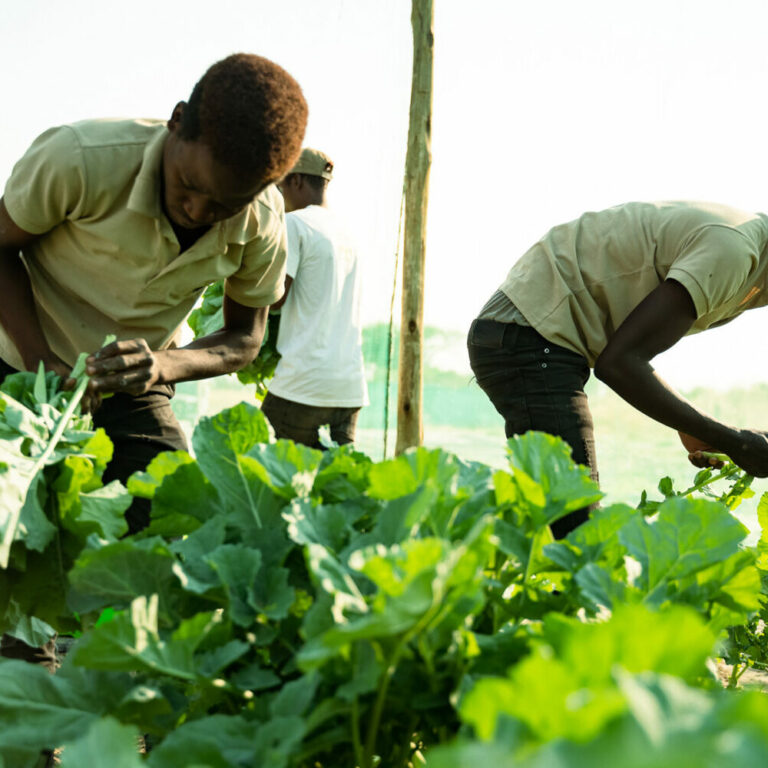
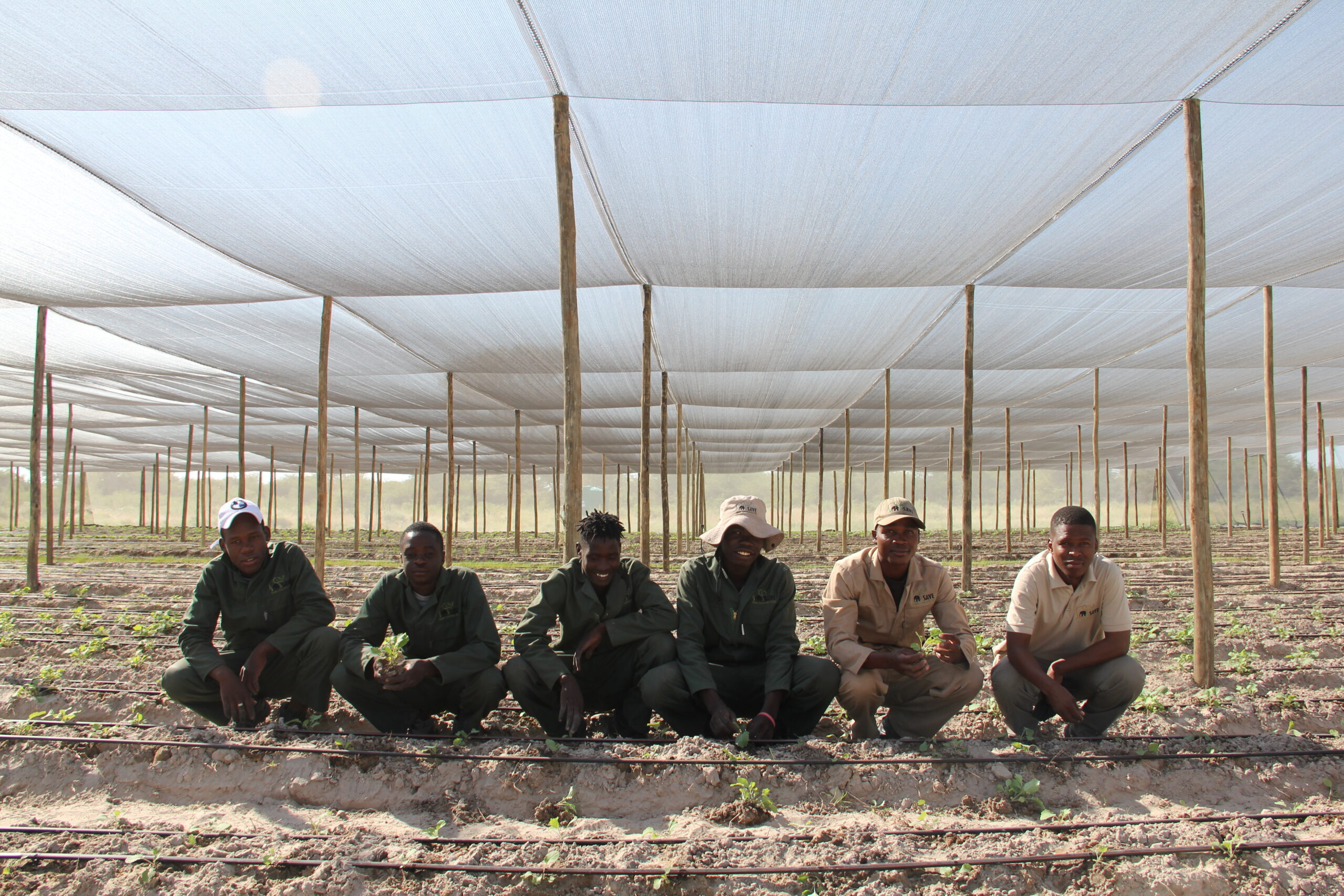
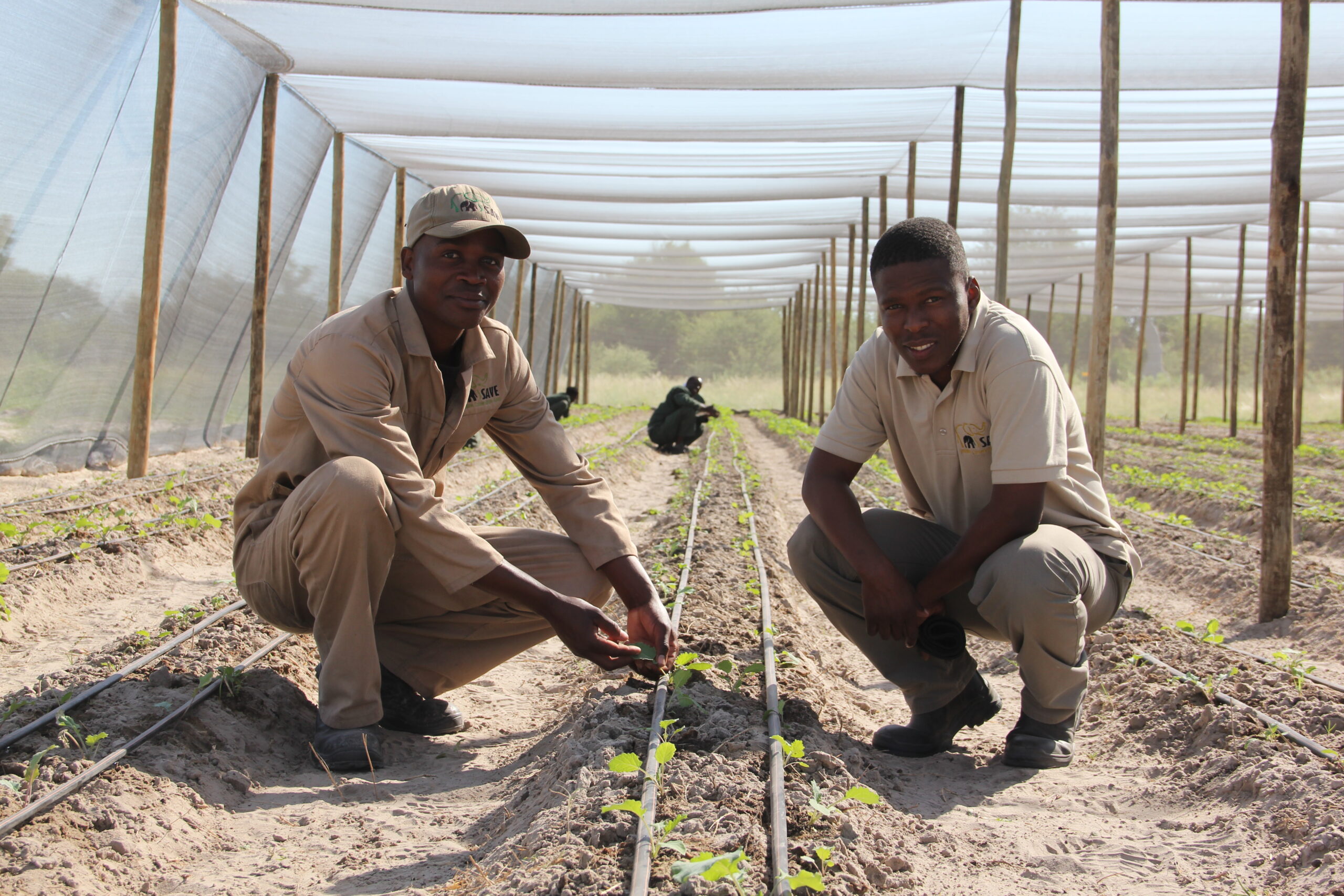
Climate-Smart Agriculture (CSA) is our response. We help communities develop farming practices adapted to the local climate: drip irrigation to use water efficiently, shade nets to protect crops from the midday heat, heat-tolerant varieties and organic fertiliser made from manure from their own livestock enclosures. These practices help families secure a reliable food supply, earn an income and reduce potential sources of conflict with wildlife.

“The CSA programme aims to improve nutrition in rural communities while providing an alternative to livestock farming.”

— Onalethata Kealebale, Okavango Farm Manager

Here, SAVE has made climate-friendly agriculture possible:

Through five sites around the Okavango Delta, we support environmentally sustainable farming near wildlife habitats.

Botswana

Environmental Education in the Okavango Delta

Environmental Education in the Okavango Delta

Add an optional description to your map pin

Democratic Republic of the Congo

Environmental Education at Virunga National Park

Environmental Education at Virunga National Park

What is Climate-Smart Agriculture?

Developed by the UN Food and Agriculture Organization (FAO), the concept brings together three goals:

  • Increase productivity – grow more on the same area of land without using more resources.
  • Build climate resilience – adapt farming practices to withstand drought, heat and irregular rainfall.
  • Reduce greenhouse gas emissions – diversify diets with plant-based foods and reduce reliance on meat, lowering the environmental footprint.

Botswana: Okavango Farm in Quqao

Our main project is located in the NG 32/35 concession area in the southern Okavango Delta. Together with the Okavango Kopano Mokoro Community Trust (OKMCT) and the Ministry of Agriculture, and with support from schauinsland-reisen, we run a community farm that serves as a training and mentoring centre for surrounding villages.

What’s happening here:

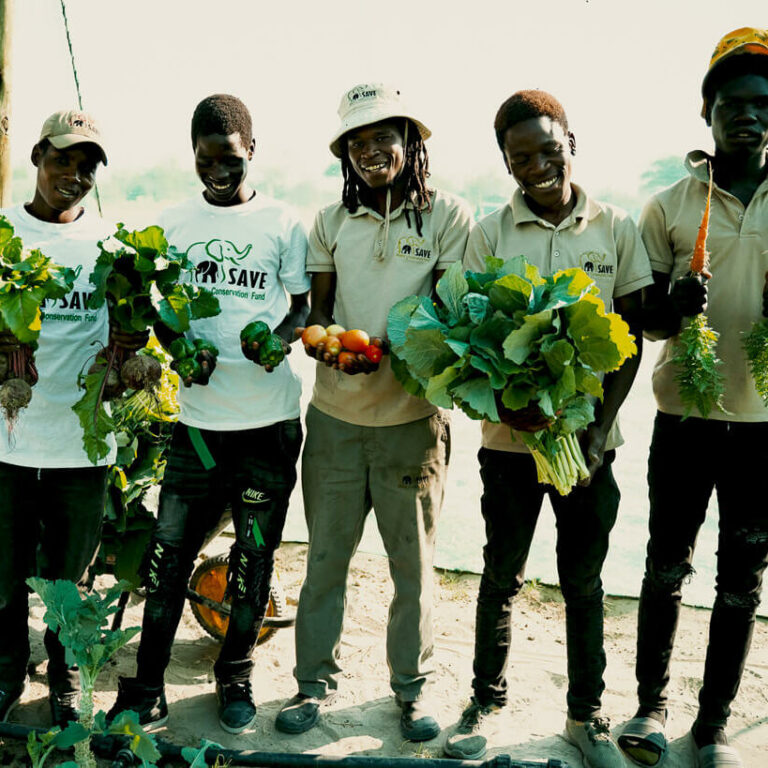
  • Growing climate-resilient varieties, including hybrid watermelons, onions, green peppers, spinach and tomatoes
  • Raising tens of thousands of seedlings each year for distribution to local farms
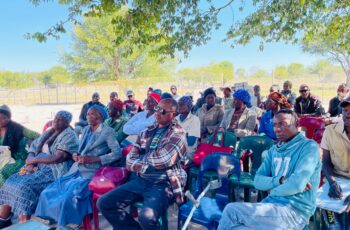
  • Mentoring programme: experienced staff support smallholder farmers in Quqao, Morutsha, Ditshiping and Daunara
  • Distributing thousands of vegetable packs to playgroups and village communities each year
  • Producing shade nets on site, providing first aid training, and managing termites and other pests
  • Partnering with NCONGO on pepper production

DR Congo: Climate-resilient farming around Virunga

In North Kivu, we apply the same approach under very different conditions. Soil quality is better here, but the region has been affected by decades of armed conflict and displacement. Climate-resilient farming also helps communities rebuild their livelihoods.

Tomato growing in Kanyabayonga
Together with local women, we grow tomatoes on around two hectares of land. More than 80 women have received training in sustainable agriculture, and many have since established their own income-generating activities.

Community farmland in Kabaya & Rumangabo
Communities collectively cultivate around five hectares of land bordering mountain gorilla habitat. This helps improve food security for families while reducing pressure on the neighbouring protected area.

Chilli oil production
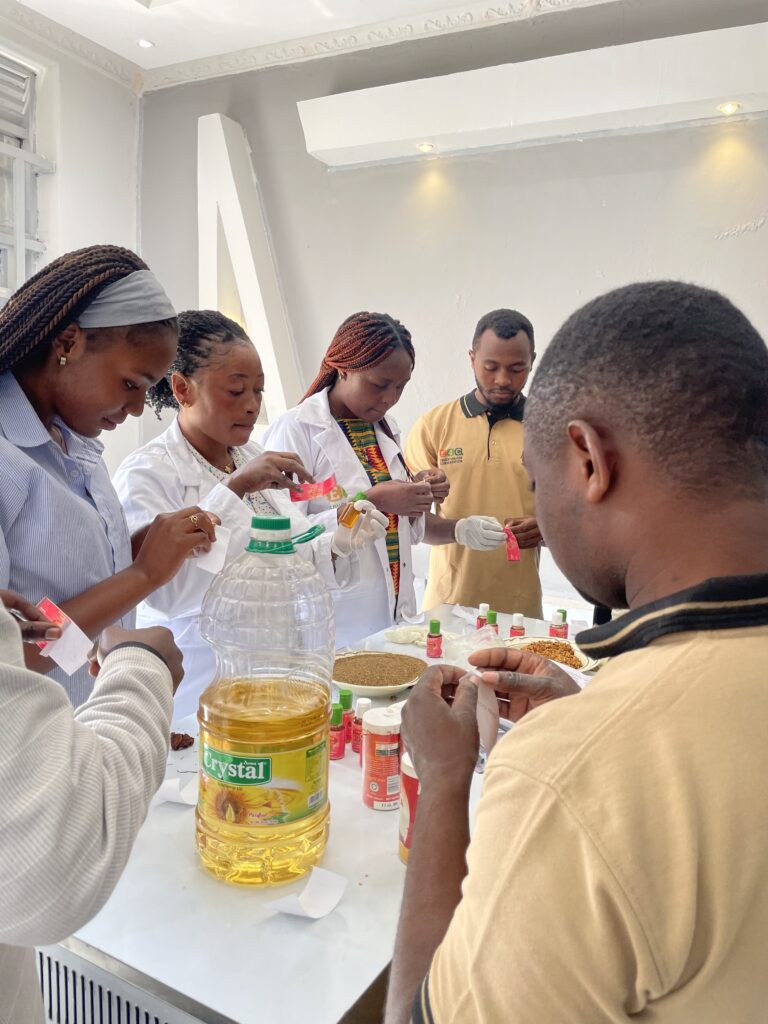
Adding value beyond raw produce: two processing machines turn locally grown chillies into high-quality chilli oil. Hundreds of bottles are produced each year and sold across the region. The same approach can be applied to other products.

CSA – ToCaDi

TOCaDi is a non-governmental organisation based in Shakawe that promotes sustainable vegetable growing. In the small village of Shaikarawe, just 15 kilometres from Shakawe and 10 kilometres west of Mohembo, TOCaDi runs a community vegetable-growing project supported by SAVE. The organisation aims to alleviate poverty and unemployment. Led by ten members, the project received BWP 35,010.74 in funding from SAVE. Through its commitment, TOCaDi supports the community in building a more sustainable future.

Climate Smart Agriculture Okavango Delta

And this is how you c
ly contribute

Climate-Smart Agriculture works best where seeds, tools, and mentoring are reliably available. That’s exactly what your donation makes possible: seedlings, irrigation equipment, shade nets, training—and long-term support for the farms until they can stand on their own.

Support Rural Communities