Search

Generic selectors
Exact matches only
Search in title
Search in content
Post Type Selectors
Lion Conservation

Botswana

Jetzt Löwen schützen

The kings of the savannah
are in danger

In 2025, not a single lion was killed by farmers in SAVE’s project area.

Human–wildlife conflict is one of the greatest challenges facing lion conservation in southern Africa. In northern Botswana, people and lions often live in close proximity. Livestock losses to predators can have serious financial consequences for families.

Many communities depend on livestock as their main source of income. Unprotected herds increase the risk of conflict between people and lions. This often leads to retaliatory killings, threatening both lion populations and the ecological balance.

SAVE therefore addresses conflict at its source by protecting people’s livelihoods. Through preventive measures, education and close collaboration with local communities, we lay the groundwork for long-term coexistence between people and lions.

SAVE Lions Head Ranger Löwen

“By improving livestock protection, raising awareness of wildlife conservation and creating alternative sources of income, we aim to enable peaceful coexistence between people and lions.”

— Kabelo Dintwa, Head Lion Ranger

Conservation status:
Vulnerable

Population in Africa
Approx. 20,000

Threatened by:
Poaching, trophy hunting, habitat fragmentation and human–wildlife conflict

Unser Ansatz
zum Schutz der Löwen

To achieve lasting, peaceful coexistence between people and lions, we focus on two approaches:

Lion conservation through education and community development

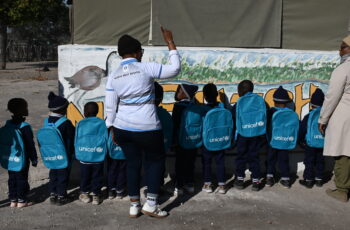
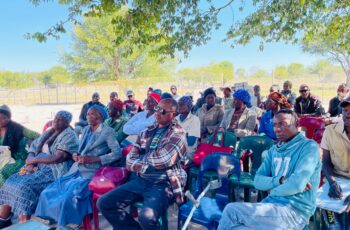
Conservation education, community outreach, farmer groups, capacity building and support for alternative livelihoods strengthen communities over the long term and reduce human–lion conflict.

Lion conservation through research

Our Lion Rangers document conflicts, monitor wildlife movement patterns and support preventive measures on the ground.

Where we work to protect lions

The project area covers the NG32 and NG35 concession areas in northern Botswana. Across nine communities with around 4,210 residents, we work alongside local people to develop solutions for long-term coexistence between people and wildlife.

Most families rely on livestock farming as their main source of income. Unprotected livestock can attract predators and lead to conflict. Through education, preventive measures and community support, SAVE helps reduce these conflicts over the long term.

Lion conservation programmes

SAVE Lions – Living with lions

Together with local residents, we develop and implement a conservation plan to enable peaceful coexistence between people and lions over the long term. The SAVE Lions project aims to prevent lion killings and improve local livelihoods. Working alongside our seven rangers and community members, we help protect livestock from predators through secure fencing and prevent conflicts.

Learn more

Löwen Schutz Botswana, Afrika

Next Generation

This project is about saving the next generation of lions. Fewer than 20,000 lions remain across Africa today, including around 1,200 in Botswana’s Okavango Delta. Yet lions continue to be shot or poisoned by people living in the delta. Launched in partnership with the Löwenbräu brand, the Next Generation project aims to protect the lion population and secure its future. A lion early warning system is intended to help prevent conflicts between local residents and lions.
Learn more

Achievements
Lion conservation in Botswana:
Our achievements since the programme began in October 2021

Reduktion
0 %

Reduction in
livestock losses

0

Lions killed by farmers in the project area (2025)

0

Lion camp
established

How you can help

The threats facing big cats demand urgent attention. Shrinking habitats and conflicts with people pose serious risks to lions. Decisive action is needed to secure the survival of these fascinating animals.

Support lion conservation in Botswana

Further measures
to protect lions

Education programmes

Lion conservation
through education

Making coexistence possible
through education.
Learn more

Development programmes

Lion conservation
through education

Making coexistence possible
through education.
Learn more

Research programmes

Lion conservation
through education

Making coexistence possible
through education.
Learn more